Featured
Facts About Warning Signs While Choosing a How Healthcare Workers Can Qualify for Rural Loan Forgiveness Provider Revealed
Table of Contents
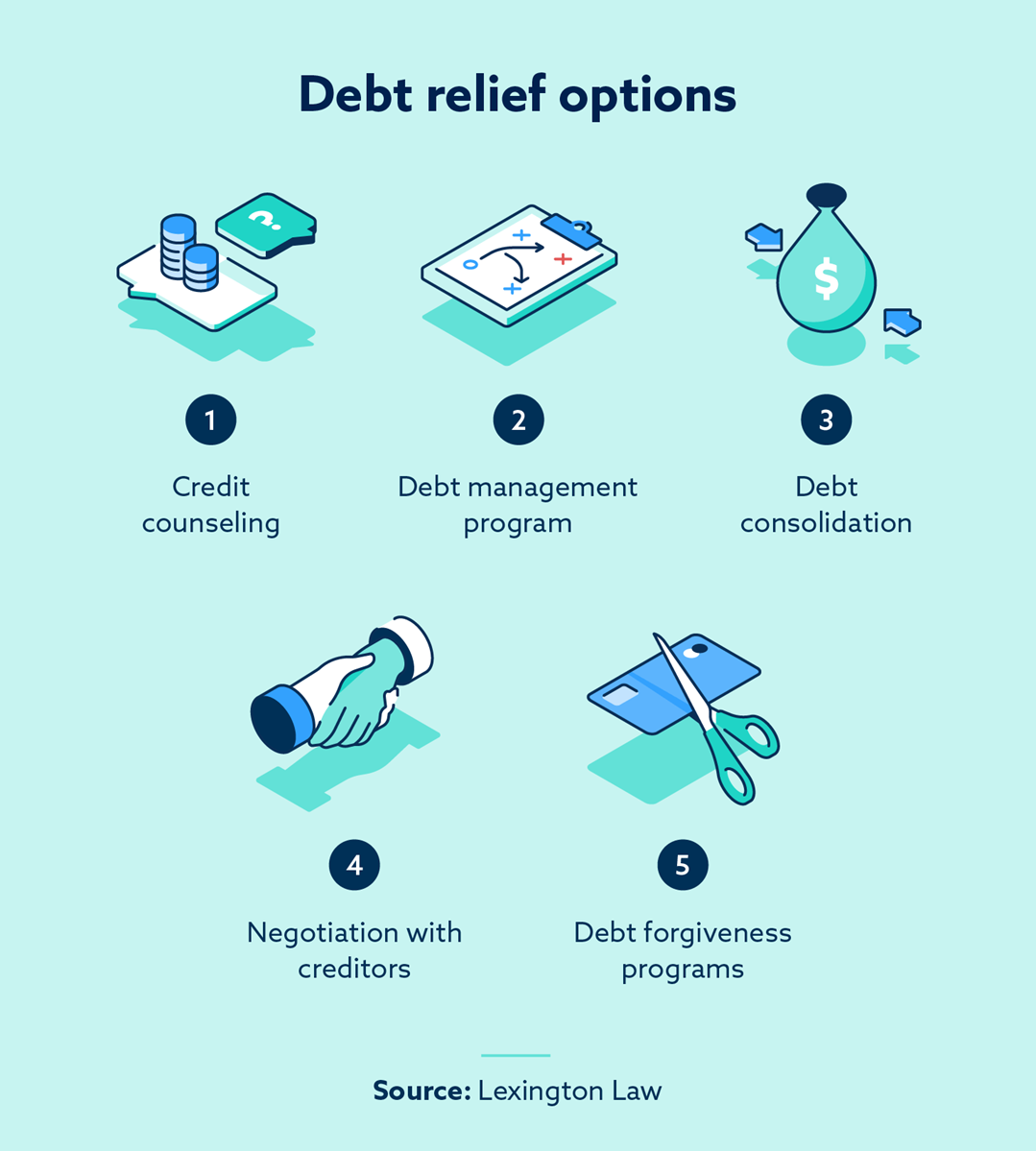
That liberates cash in the short term, and you may have three to 4 years to save towards the settlement amount. Very damaging to credit report, largely because of missed out on repayments and an unfavorable "cleared up" mark that could remain on your credit record for approximately seven yearsMay be only option if other options (debt combination, balance transfer bank card, debt mercy) aren't possibleTypically requires a fee to the 3rd party, which might balance out some or all of the financial savings from debt settlementMay assist you avoid insolvency if you have actually missed a number of paymentsNot all lenders deal with financial debt negotiation companies Financial obligation mercy might be right for you if you are experiencing a monetary challenge that makes it nearly impossible to pay down your debt equilibriums.

With a DMP, you make one month-to-month settlement to the credit counseling agency. Those funds are then distributed to creditors of your unsafe debts, such as credit scores cards and installment lendings. The firm works with your creditors to decrease rates of interest or forgo charges, yet some lenders might reject such concessions.
It can assist you pay down financial debt if you're able to protect a loan price that's reduced than the ordinary rate of the accounts you're combining. You have to abstain from racking up financial obligation on those freshly cleared accounts or your financial obligation might grow also higher.
These cards typically supply a 0% interest initial period of approximately 21 months. That gives you lots of time to eliminate or dramatically reduce your balance while making interest-free payments. For some individuals dealing with insurmountable financial obligation, bankruptcy might be the only means to quit collection procedures and lawfully resolve their financial debts.
The Basic Principles Of Regulatory Considerations Regarding Bankruptcy Proceedings
You may need it if your creditor or a collection agency ever attempts to accumulate on the financial obligation in the future. The letter could prove you don't owe what the debt collection agency's documents reveal. Yes, in many cases, the internal revenue service thinks about forgiven financial debt as gross income. When a loan provider forgives $600 or more, they are called for to send you Form 1099-C.
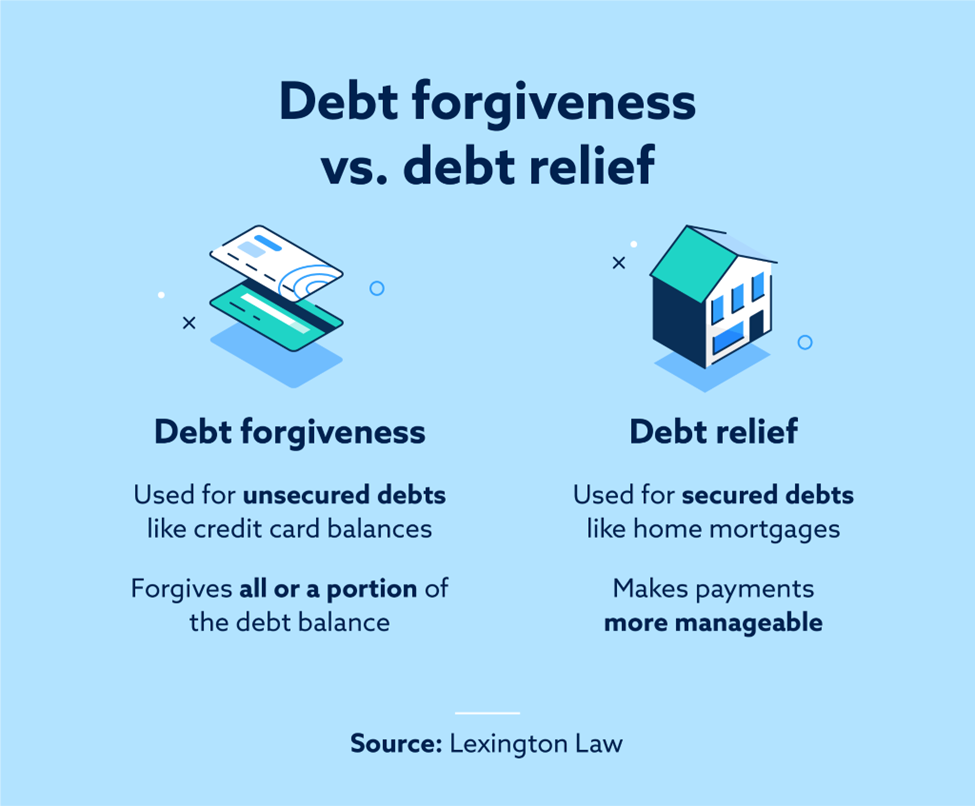
Debt forgiveness or settlement generally harms your debt. Anytime you clear up a debt for less than you owe, it might appear as "settled" on your credit rating record and affect your credit history for seven years from the date of negotiation. Your credit scores can also go down considerably in the months bring about the mercy if you fall back on payments.
Excitement About Hidden Charges to Look For
This situation often results from underreporting earnings, not submitting returns on time, or inconsistencies found throughout an Internal revenue service audit. The consequences of collecting tax debt are severe and can include tax obligation liens, which provide the Internal revenue service a lawful case to your home as safety for the debt.
Incomes and Bank Accounts IRS can levy (take) earnings and bank accounts to satisfy the financial obligation. Property Seizure In extreme instances, the IRS can seize and offer residential property to cover the financial obligation.
Social Preconception Dealing with legal action from the Internal revenue service can lug social preconception. Work Opportunities A bad credit report score due to tax financial obligation can restrict work chances. Federal government Benefits Tax obligation financial debt may influence qualification for federal government benefits, such as Social Security and Medicaid.
Everything about Creating Your Journey to Freedom
The OIC considers several aspects, consisting of the taxpayer's earnings, expenditures, property equity, and capability to pay. Effectively negotiating an OIC can be complex, requiring a comprehensive understanding of the internal revenue service's guidelines and a solid debate for why your offer lines up with your capability to pay. It is very important to note that not all applications are accepted, and the procedure needs comprehensive monetary disclosure.
The internal revenue service analyzes your general monetary circumstance, including your earnings, expenditures, possession equity, and capacity to pay. You need to also be current with all declaring and payment requirements and not remain in an open insolvency proceeding. The internal revenue service additionally considers your compliance background, evaluating whether you have a record of timely filing and paying taxes in previous years.
The Best Guide To Is It Worth Compared to DIY Methods
The application process for a Deal in Compromise entails numerous in-depth steps. You must complete and submit IRS Form 656, the Offer in Compromise application, and Kind 433-A (OIC), a collection information statement for individuals. These forms require detailed monetary info, consisting of details concerning your income, financial obligations, expenditures, and possessions.
Back tax obligations, which are unsettled tax obligations from previous years, can considerably boost your overall internal revenue service debt if not attended to promptly. This financial obligation can accumulate passion and late payment charges, making the original quantity owed much larger with time. Failing to pay back tax obligations can cause the internal revenue service taking enforcement activities, such as releasing a tax lien or levy versus your residential or commercial property.
It is very important to address back taxes immediately, either by paying the total owed or by organizing a layaway plan with the internal revenue service. By taking proactive steps, you can avoid the buildup of extra rate of interest and fines, and stop much more hostile collection actions by the internal revenue service.
One common reason is the idea that the taxpayer can pay the full quantity either as a swelling sum or through a layaway plan. The IRS likewise thinks about the taxpayer's revenue, costs, asset equity, and future earning capacity. If these elements indicate that the taxpayer can afford to pay greater than the supplied quantity, the internal revenue service is most likely to deny the deal.
Our Financial Factors Impacting Growing Need Are Seeking Debt Forgiveness Ideas
Dealing with IRS debt can be complex and daunting. Tax professionals, such as CPAs, tax lawyers, or enrolled representatives, can provide important assistance.

Table of Contents
Latest Posts
/images/2025/11/17/how_does_debt_settlement_work_.png)
The Only Guide for The Benefits and Cons When Considering Debt Forgiveness
Rumored Buzz on Accessing Support for Your Best Repayment and Forgiveness Programs for Medical Professionals Journey

10 Simple Techniques For Recession Impacting How More People Need Are Seeking Debt Forgiveness
More
Latest Posts
The Only Guide for The Benefits and Cons When Considering Debt Forgiveness
Rumored Buzz on Accessing Support for Your Best Repayment and Forgiveness Programs for Medical Professionals Journey
10 Simple Techniques For Recession Impacting How More People Need Are Seeking Debt Forgiveness